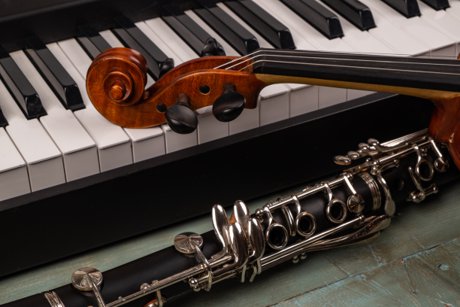
Mountain Brook offers your child a calm, close-knit place to grow, and piano lessons fit well with that lifestyle. Short drives, village-style shopping areas, and nearby schools make it easy to fit music into an already whole week.
Your child can head to lessons after school and still get home in time for homework and family time. This guide walks you through local music schools around Mountain Brook that offer piano lessons for kids.
You discover what each school offers, how they support young students, and which one might match your child’s personality, schedule, and goals.
Piano Lessons Help Your Child
Piano lessons give kids a straightforward way to build focus and confidence. When your child learns a new song, they see direct proof that practice leads to progress. That lesson shows up later in schoolwork, sports, and friendships.
Music education also supports language, memory, and problem-solving skills.
Regular lessons and at-home practice create a steady rhythm in your week, which can help kids feel grounded and secure during busy seasons.
Key benefits your child gets from the piano:
-
Stronger focus and patience
-
Better hand-eye coordination
-
A positive outlet for feelings and stress
What To Look For In A Local Music School?
Before you enroll, review how each school conducts lessons. You want a place that feels warm, safe, and organized, with age-appropriate materials and clear communication with parents.
A good program sets expectations about practice, recitals, and progress checks.
Teacher quality matters as much. Ask about training, background checks, and experience with kids your child’s age.
Many parents schedule a trial lesson so their child can meet the teacher, see the space, and share what kind of music they like.
Good signs when you visit a school:
-
Clear check-in and waiting area for parents
-
Pianos in good condition and tuned regularly
-
A simple plan for practice at home
Mason Music in Mountain Brook Village
Many families pick Mason Music’s Mountain Brook studio when they want piano lessons right in the heart of Mountain Brook Village.
The studio offers private lessons for kids and adults, as well as other instruments such as guitar, voice, and drums.
The space includes sound-insulated lesson rooms and observation windows, so your child feels comfortable while you stay nearby.
Teachers at Mason Music build a custom plan for each student based on their level and goals. Your child might start with simple pieces and basic note reading, then move into classical, pop, or worship music as they gain skill and interest.
The studio’s focus on kids means the team understands how to keep lessons fun while they still push for steady growth.
Birmingham, Alabama School of Music Near Mountain Brook
Just a short drive from Mountain Brook, many families use Birmingham School of Music when they want a larger facility with multiple programs in one place.
The school offers piano, guitar, drums, singing, live band classes, and seasonal camps, so your child can stay in one familiar setting while exploring new instruments.
The school uses private lesson rooms and ensemble spaces with professional-grade instruments. For your child, that setup means they learn one-on-one with a teacher, then join group classes or bands when they feel ready.
You can build a path that starts with beginner piano and grows into band work, camps, and performance opportunities over the years.
Dawson Music Academy and Nearby Church-Based Lessons
Parents who want a church-based setting often choose Dawson Music Academy in nearby Homewood. The academy offers private and group lessons for preschoolers through adults, including piano, voice, and other instruments.
Their team focuses on helping students of every level, from brand-new beginners to advanced players.
Dawson’s piano program uses a mix of method books and fun songs to cover reading, technique, and music theory.
Your child learns how to read notes and rhythms, not just play by ear, which builds a strong foundation for future music study. Many families appreciate the community feel and the way music ties into the broader church environment.
Samford Academy of the Arts: Piano for Kids and Teens
For families who like a college-connected setting, Samford University’s Academy of the Arts offers private piano lessons for ages five and up.
You can choose 30-, 45-, or 60-minute lessons, giving you flexibility with homework, sports, and other activities. Beginners receive strong support, while more advanced students get deeper work on technique and expression.
The academy schedules lessons in terms, with options for payment plans and registration help.
That structure helps you plan, budget clearly, and keep your child on a steady learning path through the school year and summer. For older kids, the campus environment can also spark interest in future music studies.
How To Choose The Right Piano Teacher?
Every child learns differently, so the best teacher fits your child’s personality as much as their skill level. Some kids respond well to a high-energy, playful style.
Others focus better with a calm, structured approach. Use trial lessons at places like Mason Music’s kids program or other studios to see how your child connects with a teacher before you commit to a long-term program.
Pay attention to how the teacher explains new ideas, corrects mistakes, and ends the lesson. Your child should leave feeling challenged but encouraged.
Ask for a clear practice plan, so you know what to support at home and how to track progress from week to week.
Questions you can ask a potential teacher:
-
“How do you motivate shy or easily frustrated kids?”
-
“What do you expect for weekly practice at home?”
-
“How often do you offer recitals or performance chances?”
Tips To Help Your Child Thrive in Piano Lessons
Once you choose a school, your support at home makes a big difference. Help your child pick a regular practice time, even if it starts at only 10–15 minutes a day.
Keep the piano or keyboard in a quiet area where your child can focus but still feel connected to the family.
Celebrate small wins, like mastering a tricky measure or playing through a song without stopping. Many parents also use apps or simple charts to track practice days.
That small bit of structure helps your child see their progress and feel proud of the work they put in.
Visit to Explore More:
-
Best Parks, Playgrounds, and Indoor Play Areas in Birmingham, Alabama
- The Pros and Cons of Renting Vs. Buying a Home
Further Details:
You can also guide parents to a trusted outside source for general music education info, placed naturally in the center of a sentence:
Many parents like to read Music Education FAQs from the National Association for Music Education to understand how lessons support their child’s growth.
FAQs
What is a good age to start piano lessons?
Most kids start around 4–6 years old, when they can follow simple instructions and sit for short lessons.
How long should beginner lessons be?
A 30-minute weekly lesson works well for most young beginners and keeps them focused.
How often should my child practice?
Aim for 4–5 short practice sessions a week, even if each is only 10–15 minutes.
Do we need a real piano at home?
A full-size digital keyboard with weighted keys is fine at the beginning, then you can upgrade later.
How do I know if a teacher is a good fit for my child?
Your child should leave lessons feeling encouraged, not stressed, and show interest in coming back.
Are group or private lessons better for kids?
Private lessons help beginners progress faster, while small groups can add fun and social energy.
How long will it take before my child can play real songs?
Most kids can play simple songs with both hands within a few months of steady practice.
Can busy kids still succeed with piano?
Yes, as long as you protect a small daily practice window and keep expectations realistic.
Do music schools offer recitals?
Most local schools offer at least one recital or performance each year to build confidence.
What if my child wants to quit?
Talk with the teacher, adjust goals or music style, and try a short “reset” period before stopping.